Aman Iman l’acqua è vita: il pozzo di Acarara

Goal5.258,16 €

Archieved5.253,87 €

99,92%of our goal

17 donations

Donations for this project are closed becouse the project is closed or we not accept donations overbudget. You can make a donation to another project or make a general donation with buttom on header for support our organization.

Niger

Acarara

13 - Agire per il clima 15 - La vita sulla terra
Ambiente

2011, Libya, war: A Tuareg man, who emigrated as a child from Niger to Libya due to the conflict his people faced, is once again forced to flee and arrives in Italy, first in Lampedusa and then in Trento. His name is Mussa.

In the summer of 2019, after many years away, he returns to Niger, to the land of his ancestors. With the eyes of the man he has become and with his personal history behind him, he revisits the harsh life of those forced to undertake long journeys every day to collect water. He feels the responsibility to act.

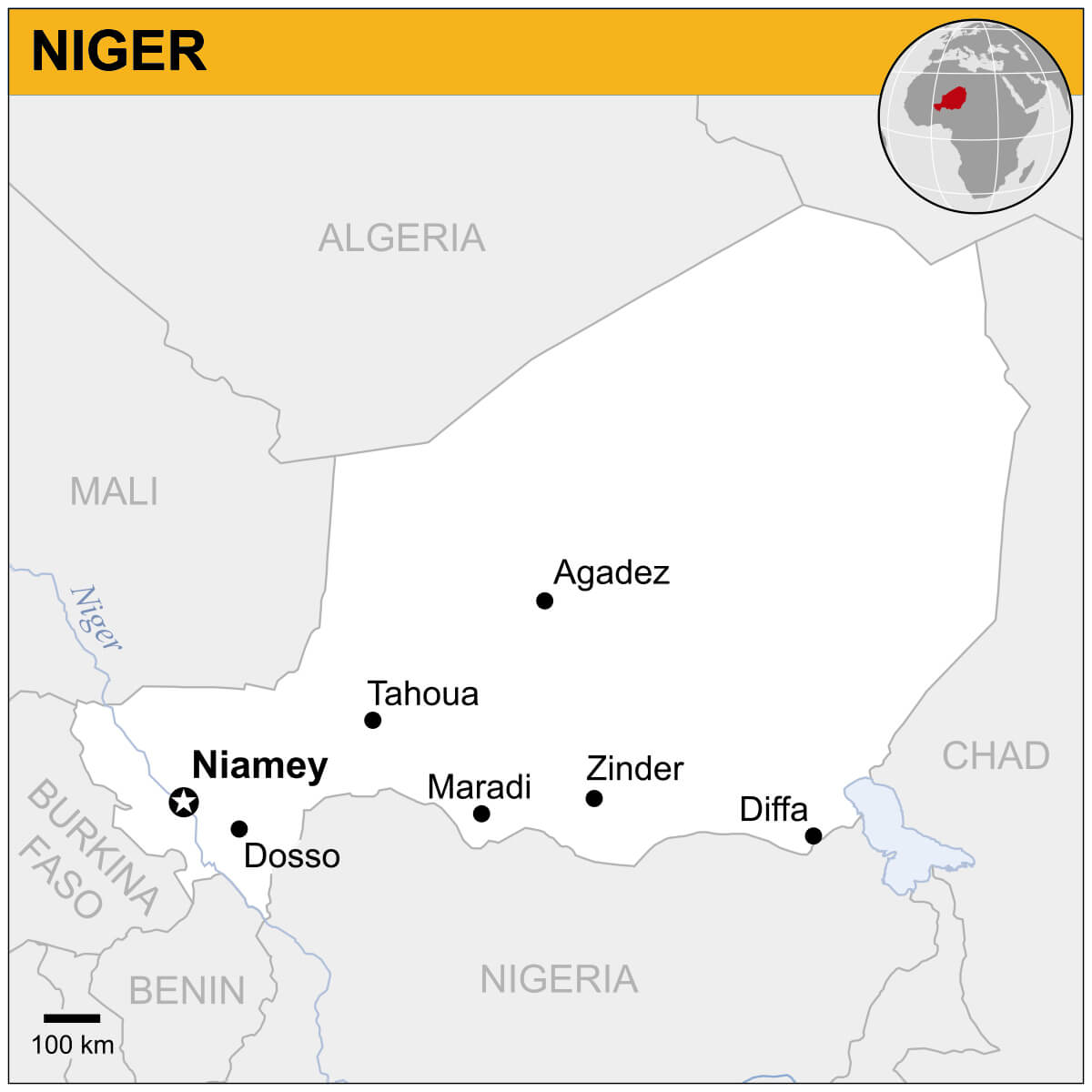
Upon returning from that journey, using only his own financial resources and driven by courage and determination, Mussa Yahja decides to start a project: to create better living conditions for the community of Acarara, in the Nigerien desert 70 km from Agadez, and for the nomads passing through.

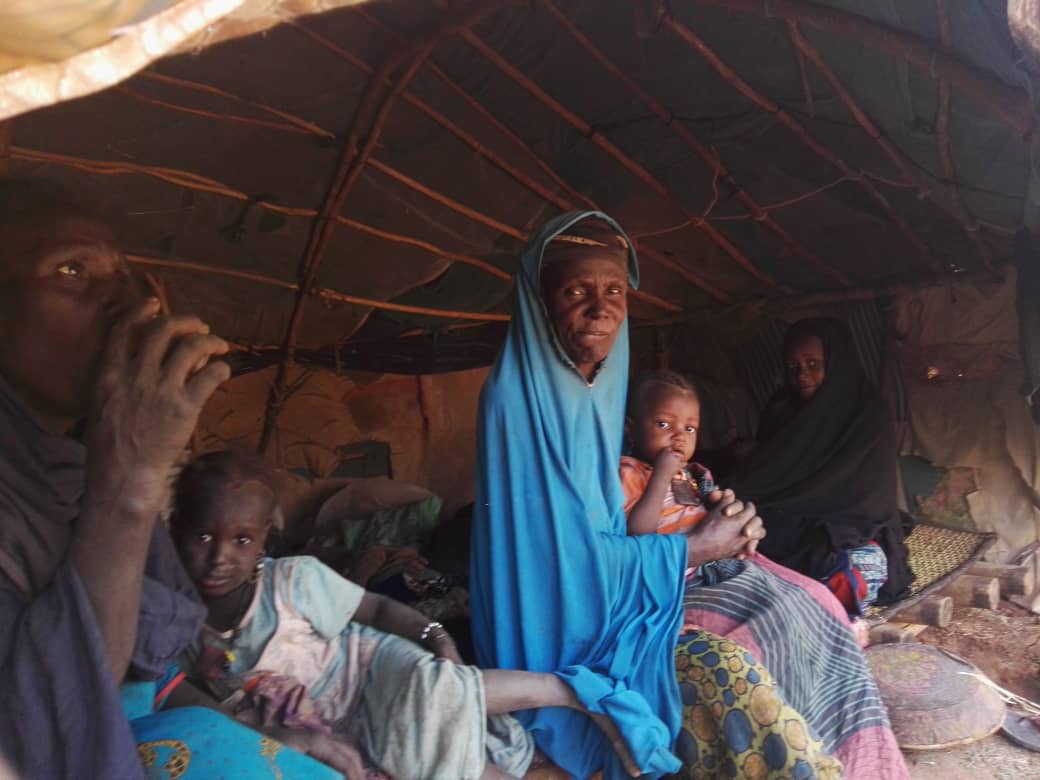
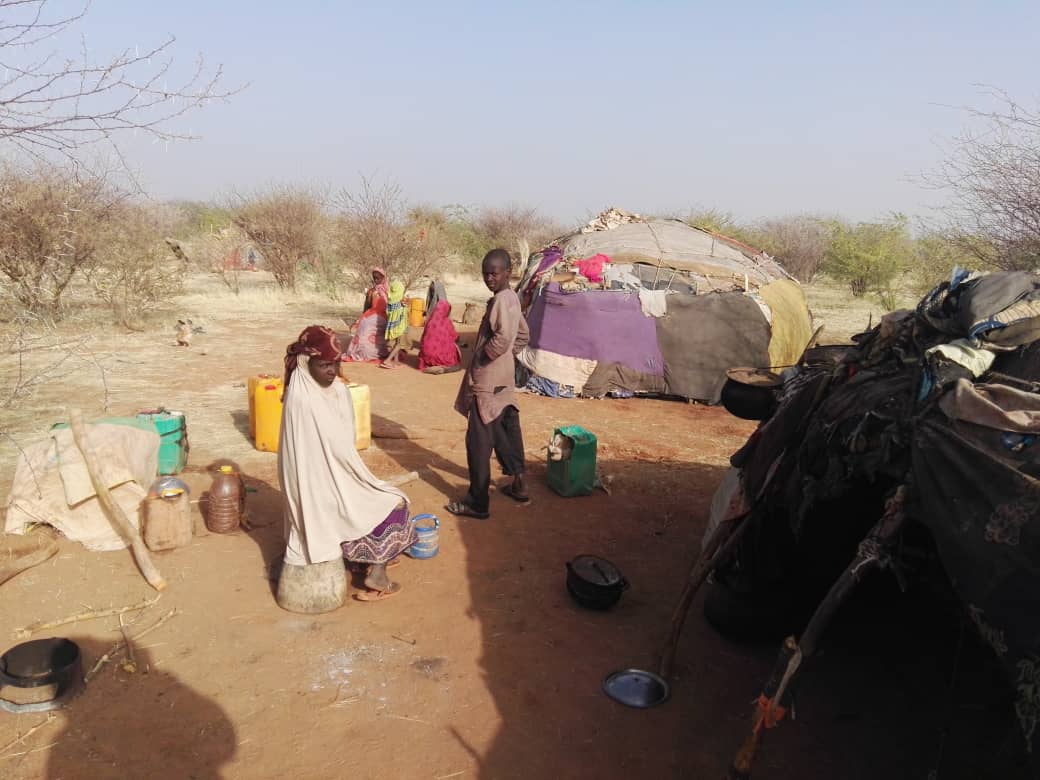
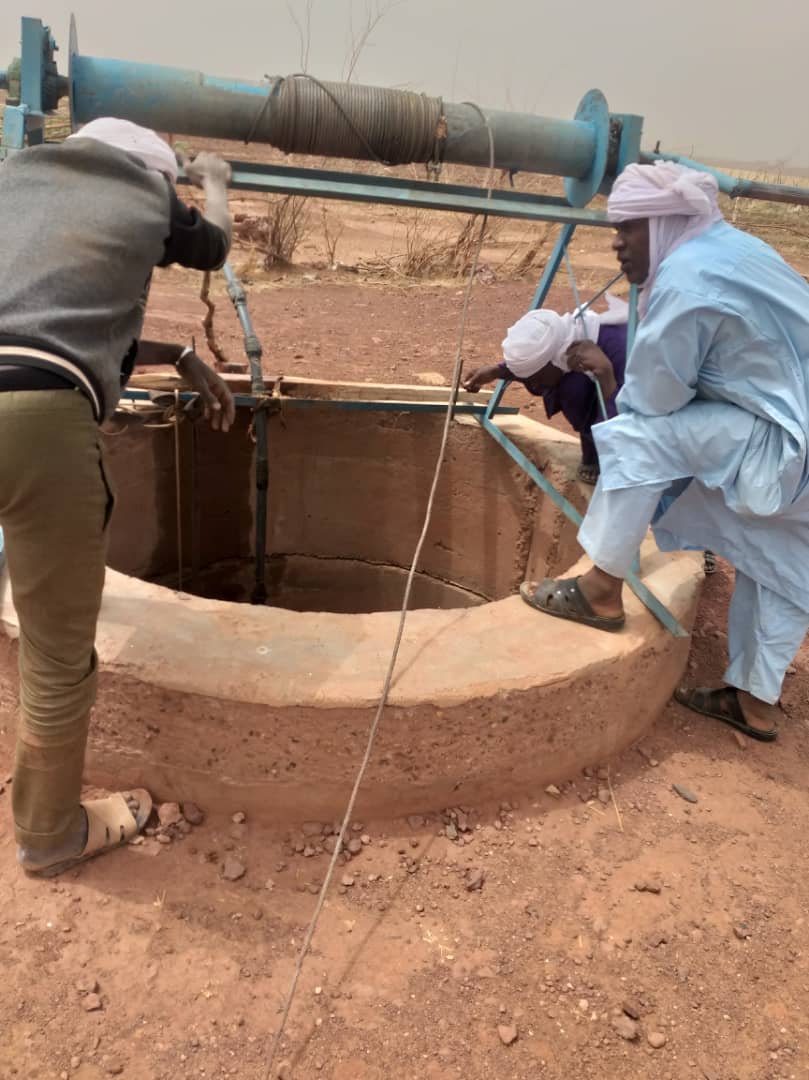
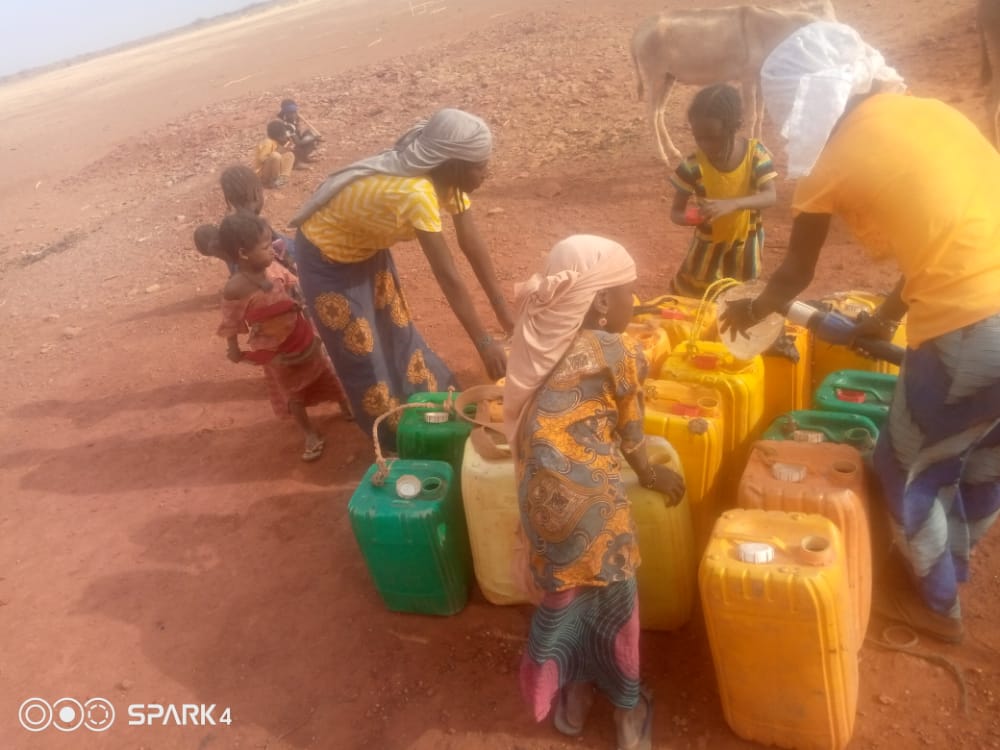
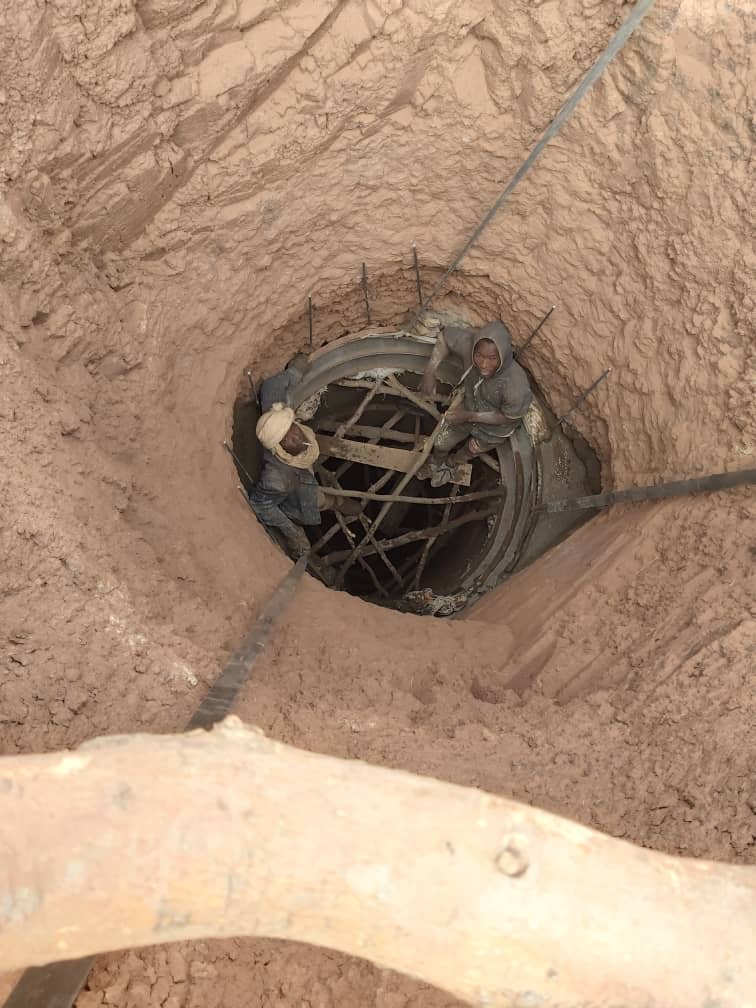
"Aman Iman," "water is life," says a proverb in Tamasheq, the Tuareg language. And so it had to be for Mussa: to bring life by digging a well, planting trees, starting gardens and shelters, in a decidedly uneven battle against the desert. It was an extremely difficult and obstacle-filled struggle, especially in an area that is arid for most of the year due to a constant decrease in rainfall caused by drastic climate changes, and strong winds blowing relentlessly every day. Tuareg and Fulani in this desert face immense hardships to survive. The dwellings are "zeribe," built from intertwined branches and tarps. The only activity practiced is basic pastoralism. There are no healthcare or educational services. The location for the well was determined through ancient knowledge that suggests the presence of ants indicates water. Strike after strike, at 32 meters deep, a large aquifer was found, and hands were raised to the sky in gratitude.

The entire work was financed with his own resources. After finding the water source, Mussa also purchased a gasoline pump, which made it easier to extract water for people, animals, and to experiment with the first crops. He supported the construction of the first shelters made from handmade clay bricks using water and sunlight, and the first trees were planted.

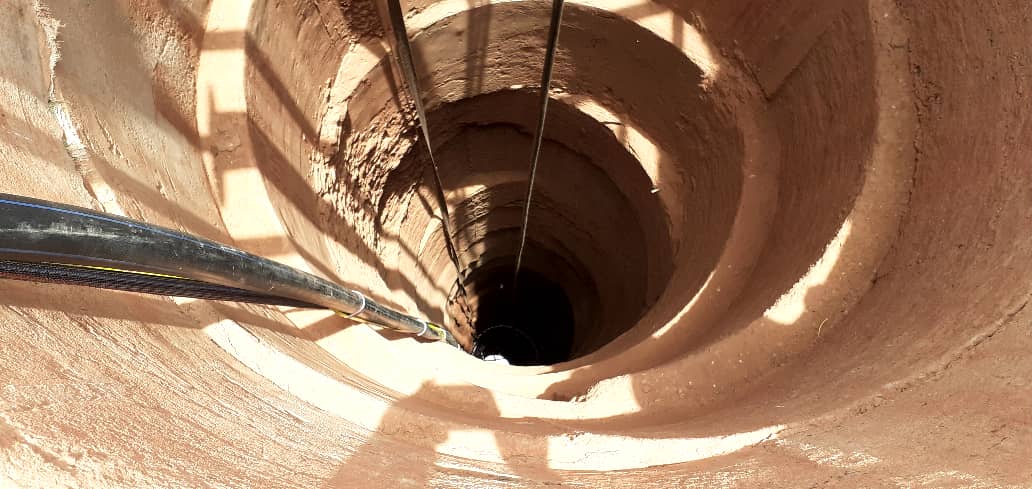
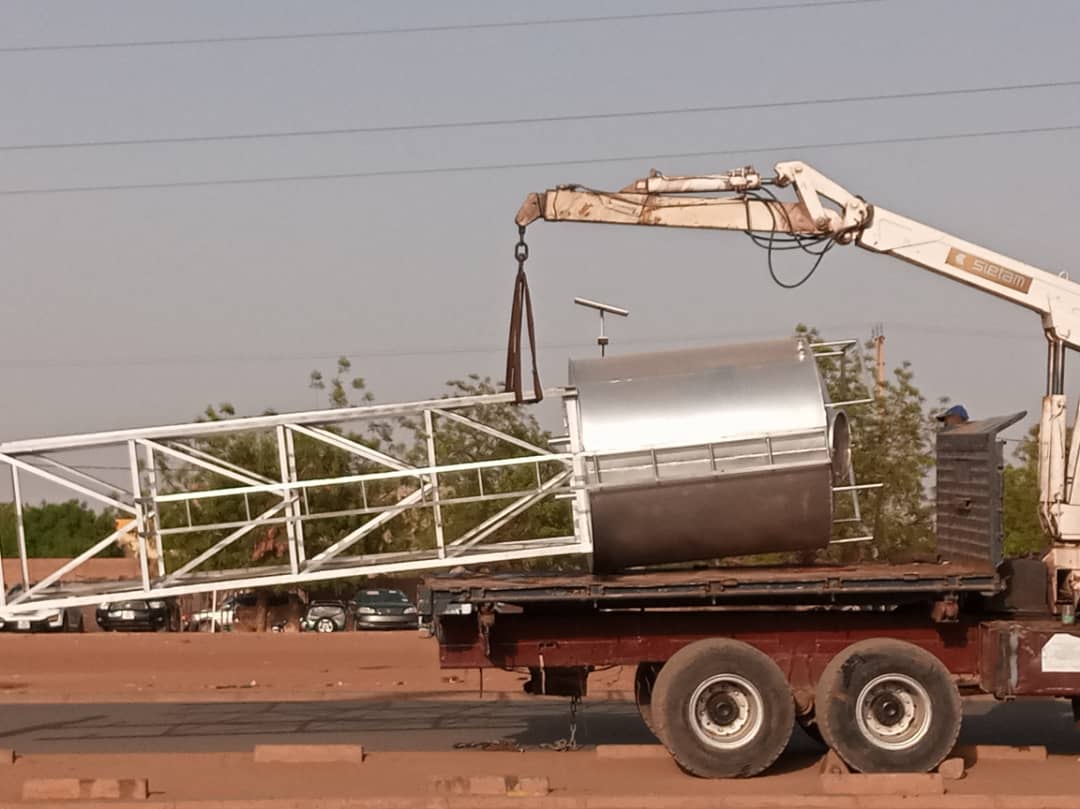
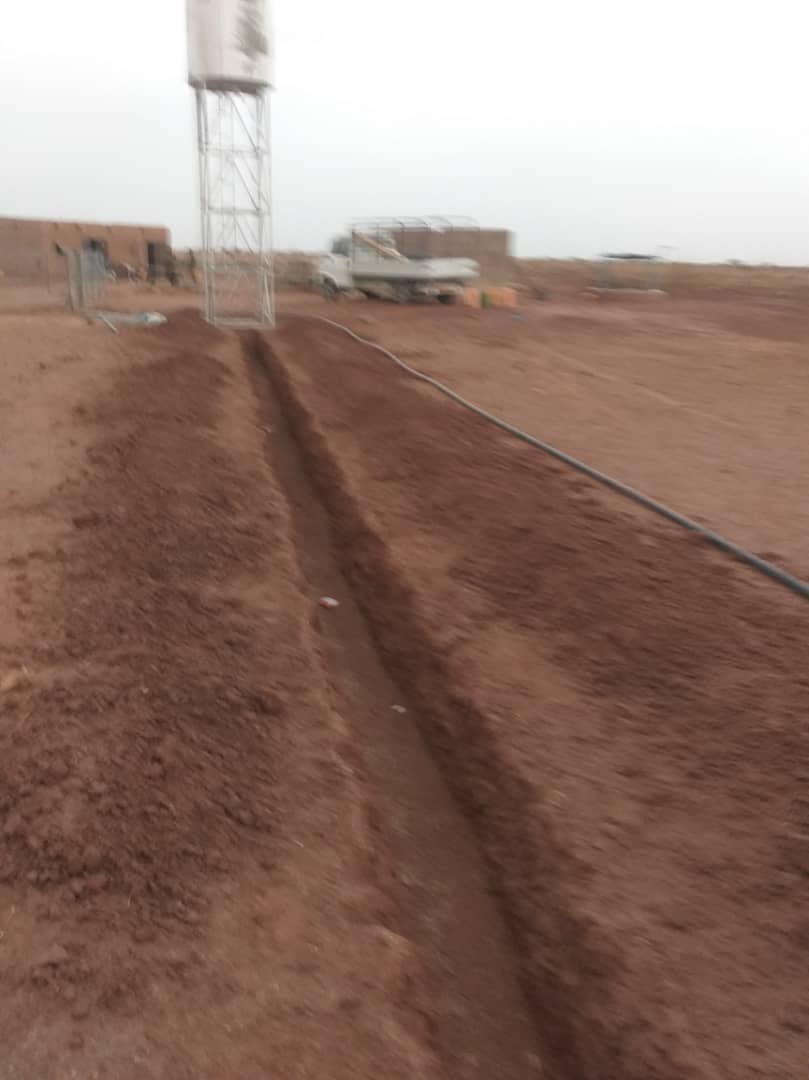
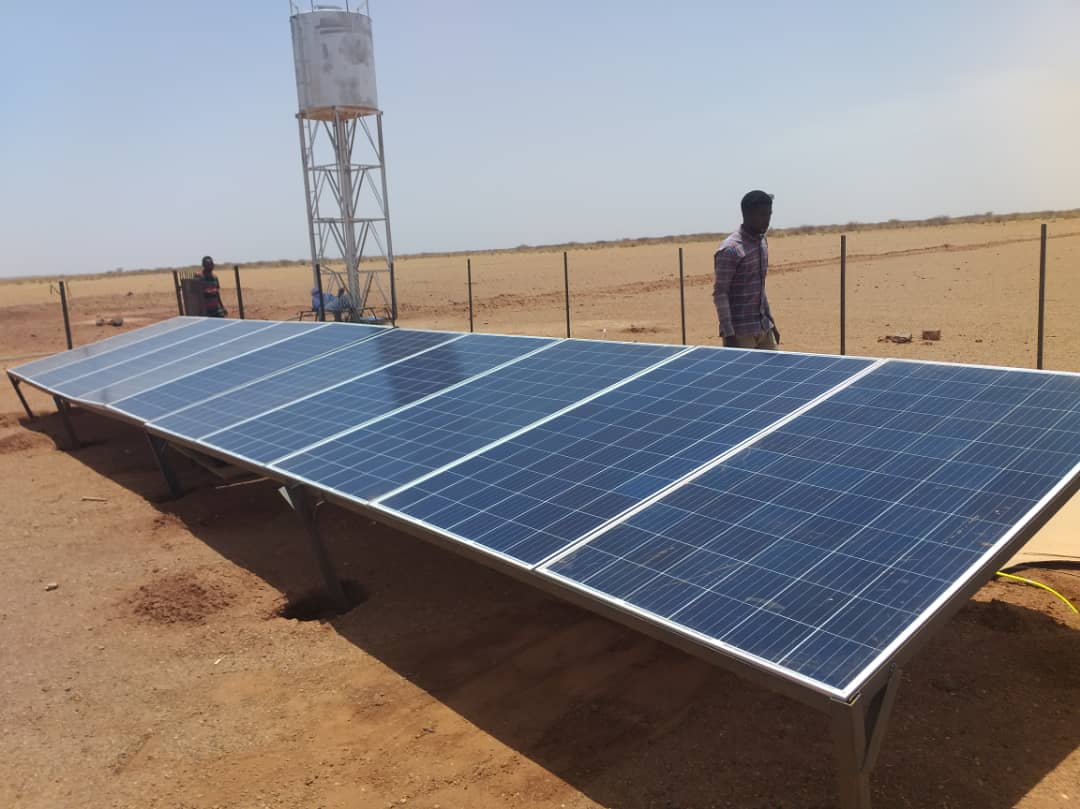
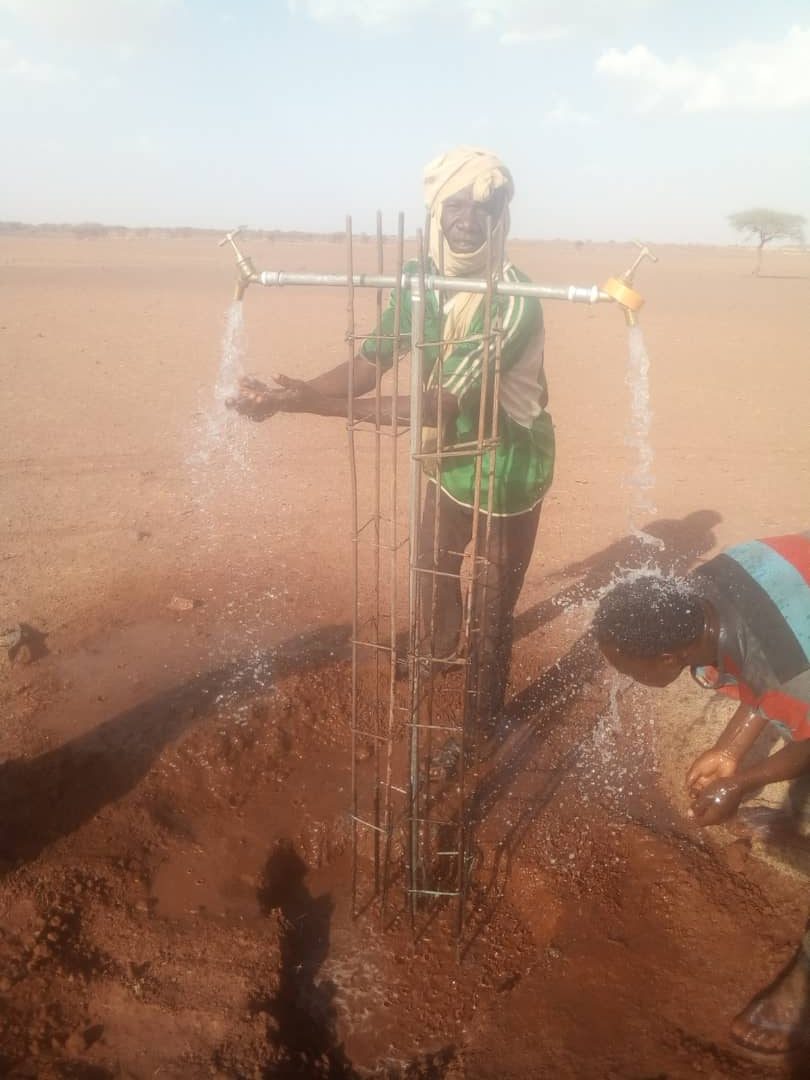
Given the importance of this endeavor, it was necessary to make a structural shift in the work. The well has been reinforced and deepened to now reach 40 meters in depth, a submersible pump has been installed, along with a photovoltaic system to power it, a water tank, a distribution fountain, and a channeling system to bring water to the surrounding area. The realization of these latest interventions was made possible by the contributions of the Lunelli Foundation, the Trentino Alto Adige Region, Ipsia del Trentino, Bambini nel Deserto, friends, and donors.


REZD Acarara Environmental Rehabilitation of the Desert Area

Aman Iman, water is life: a well in Acarara

This is an Environmental and Sustainable Rehabilitation project developed based on similar experiences carried out in Burkina Faso thanks to Italian Cooperation and in Niger itself with the project in the Tientelloust valley thanks to the Cooperation of Trentino Alto Adige.

The environmental rehabilitation project in the area of the Acarara well in the desert region of Air - Agadez in Niger has seen us engaged since 2019 thanks to Mussa Yahja, a young Tuareg now living in Trentino. At that time, driven by a great love for his people and with only his own financial resources, he began the manual digging of a well, experimented with the first agricultural crops, and planted trees to fight the desert, thus creating better living conditions for his people. Bambini nel Deserto met him during this time, heard his dream, and decided to support its continuation.

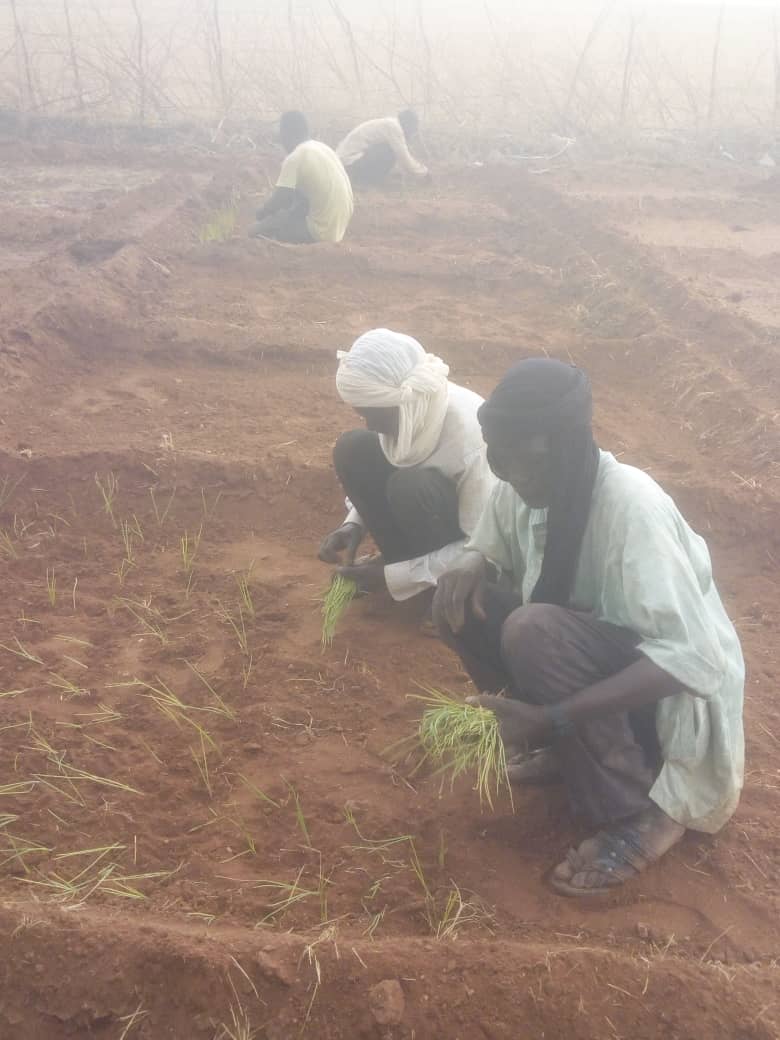
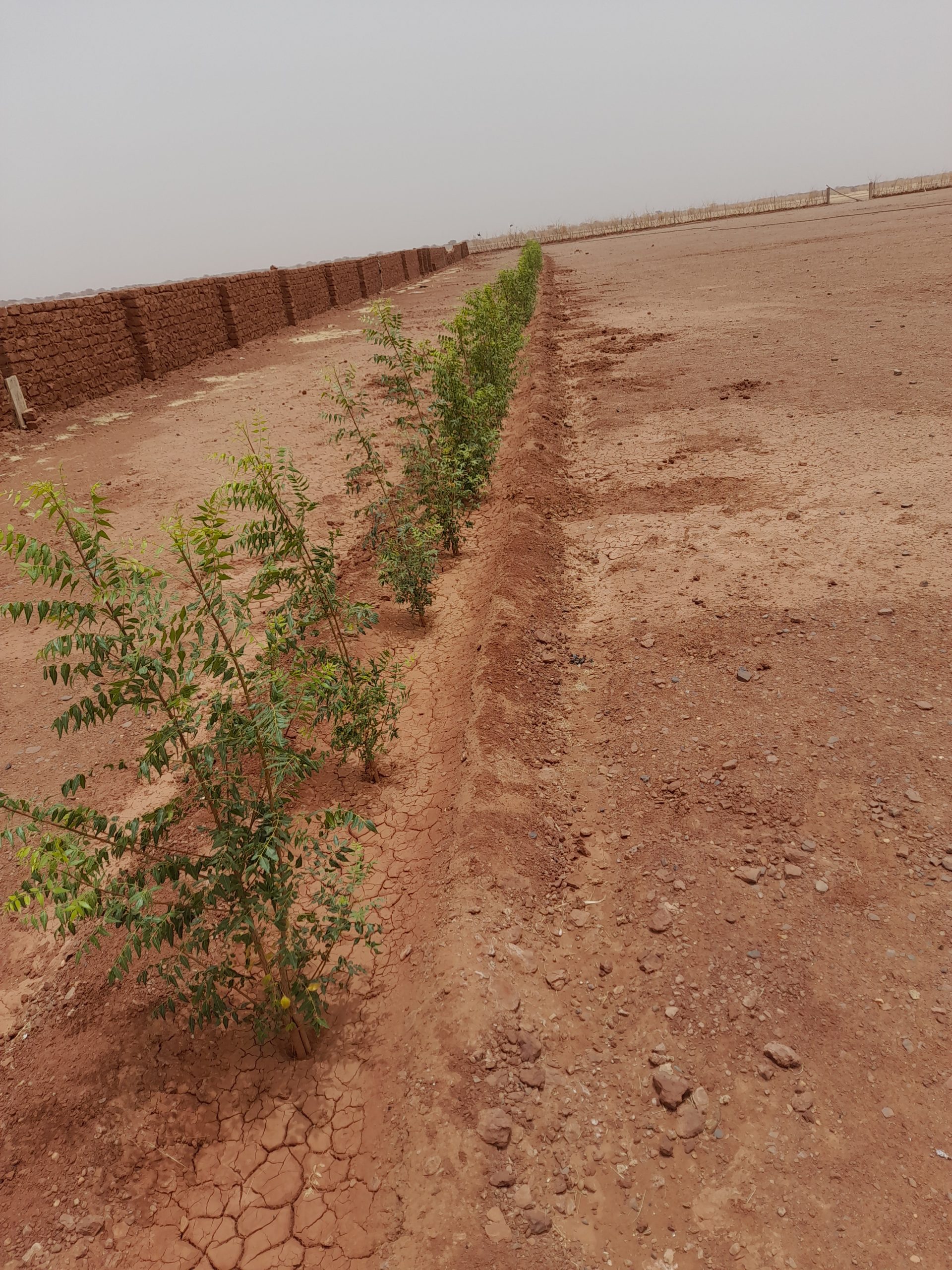
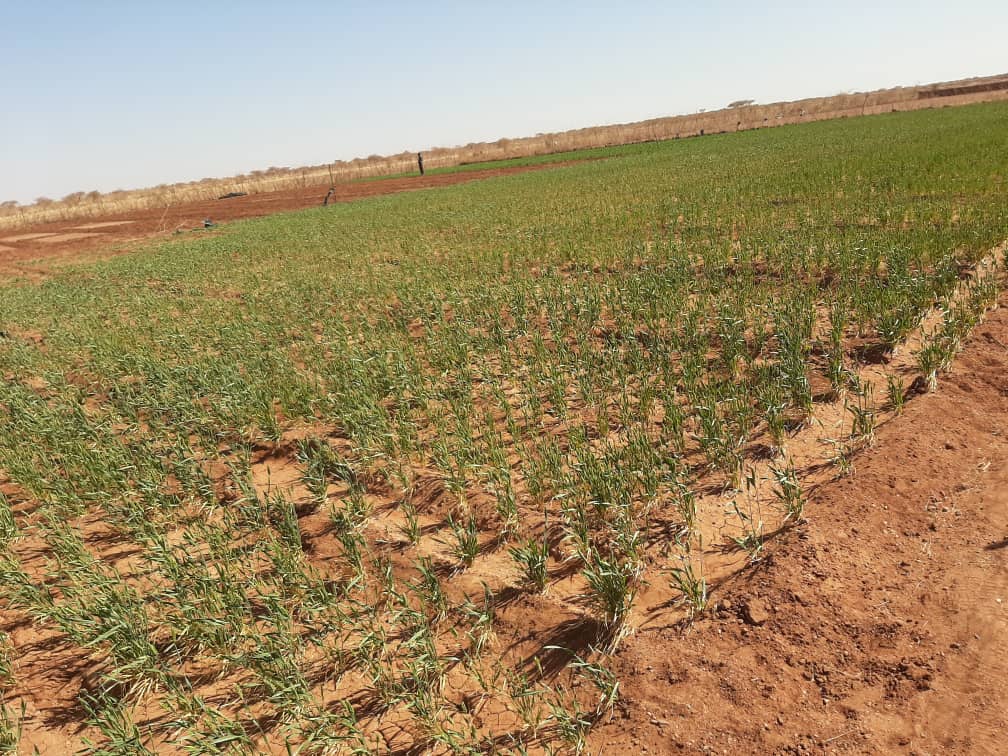
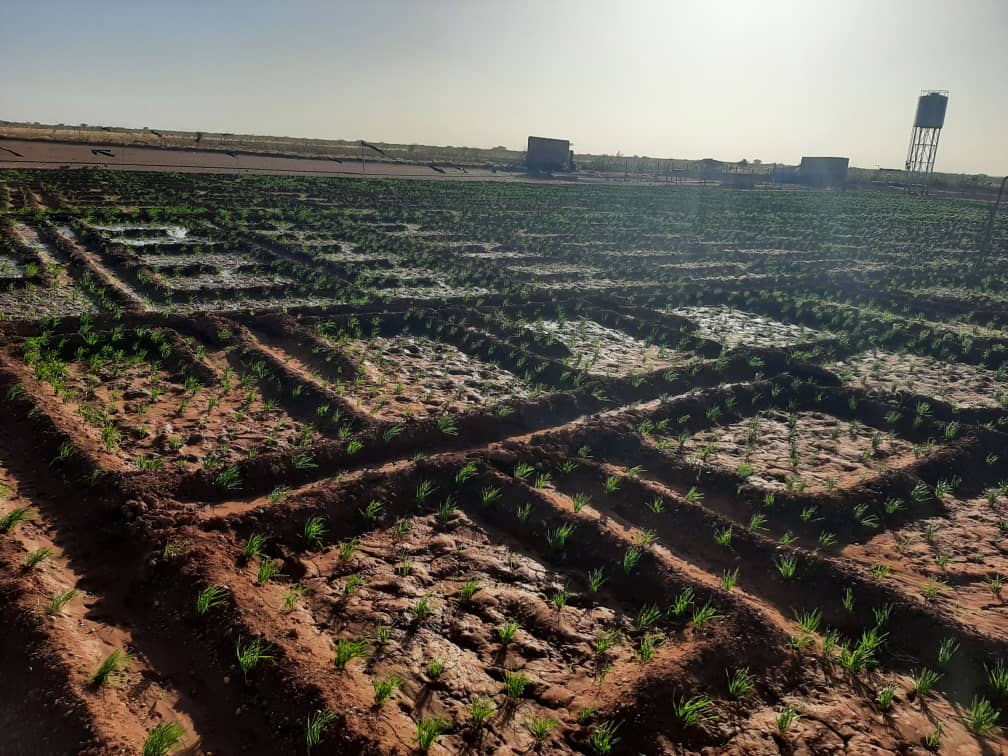
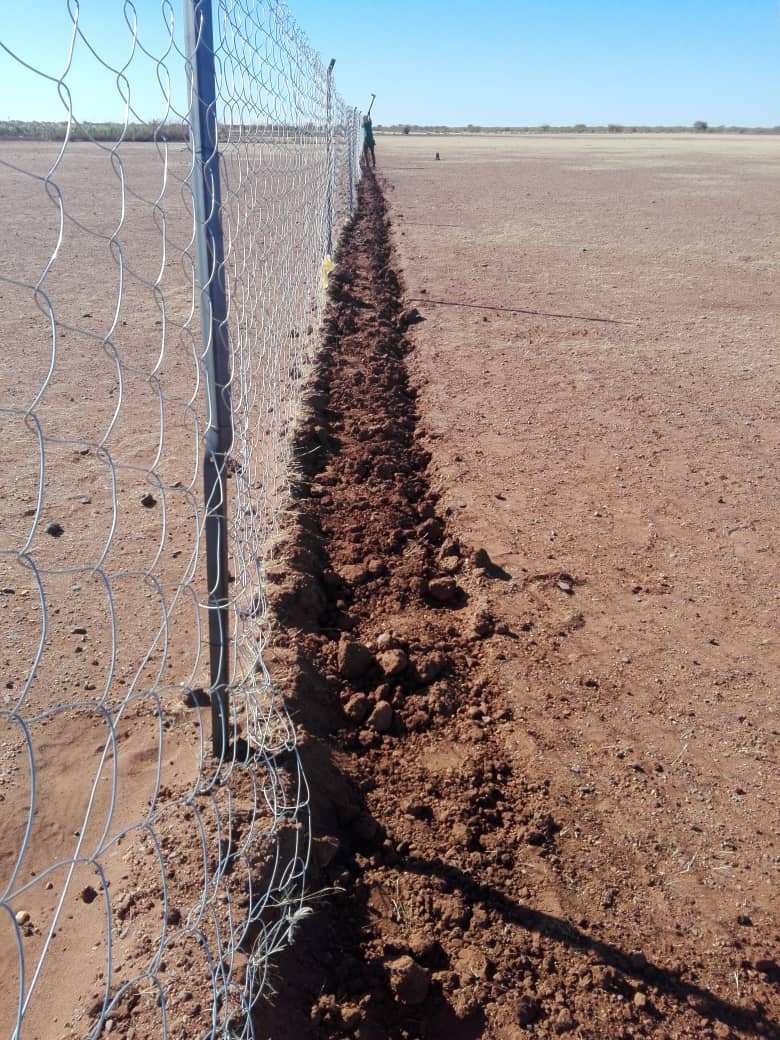
The project, in addition to the structural interventions described above, has further grown thanks to the collaboration of the Lunelli Foundation, Ipsia del Trentino, and the Trentino Alto Adige Region, with additional funding from Bambini nel Deserto as part of the Green Re-Evolution Program. This includes the planting of another 500 different species of native trees and others that Mussa continues to plant, new gardens, a perimeter fence with wire mesh to protect the crops from passing animals, and a wall to counter the northeast wind currently being repaired, both self-produced and financially supported by Mussa with the manual help of the community.

There are still many initiatives to be developed in Mussa's dream: agriculture needs to be helped to take shape, the fence needs to be completed, more shelters need to be built, and the desert must be fought with more plants. All this represents a resource for the nomads in transit, their livestock, and a hope for a better life for the community, with the possibility of freeing themselves from long journeys in search of water and food and thus settling in their own land.

This project is having a positive impact on the local Tuareg community, contributing to the fight against desertification, the promotion of sustainable agriculture, the improvement of living conditions in the region, and the strengthening of the community also thanks to the construction of the school "Ecole des Etoiles".

Lenders

This project was carried out with the collaboration of these public body lenders or private company lenders

Aman Iman l’acqua è vita: il pozzo di Acarara

“Non è di certo l’ultimo modello e nemmeno il penultimo… ma è il primo trattore che si è mai visto ad Acarara in Niger.”

Dietro questa frase semplice si cela una storia straordinaria di determinazione, legame con le proprie origini e voglia di contribuire concretamente a un futuro migliore.

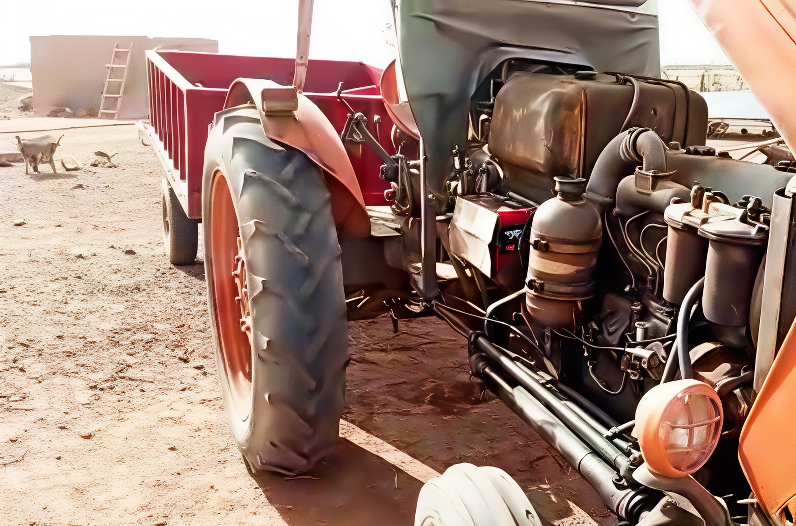
Il protagonista di questa storia è un trattore FIAT OM513r del 1966. Ma il vero motore di questo viaggio impossibile è stato Mussa Yahja, nostro socio Tuareg di Trento, la cui famiglia, nomade, è originaria della regione dell’Air, in cui è situato anche il piccolo villaggio di Acarara, una remota località nel deserto del Sahara, in Niger.

Il trattore, seppur datato, è stato acquistato in Italia e trasportato fino al Niger grazie al contributo di un gruppo di amici trentini, veneti e di Mussa, che con la sua tenacia ha deciso di dare un sostegno concreto alla propria comunità di origine. La strada per far arrivare questo mezzo fin lì, però, è stata tutt’altro che semplice. Dall’Italia è salpato via nave fino al porto di Lomé, in Togo. Da lì è stato caricato su un camion che ha attraversato l’intero Burkina Faso, superando frontiere burocratiche e non poche difficoltà logistiche. Una volta entrato in Niger, il viaggio non era ancora finito: restavano oltre 1.000 chilometri di strada prima di raggiungere Acarara.

Chi conosce questa parte del mondo sa bene cosa significa un viaggio del genere. Si tratta di attraversare territori desertici estremamente difficili, con temperature estreme, scarsità di carburante e lunghi tratti senza alcun tipo di assistenza meccanica. Eppure, ce l’ha fatta.

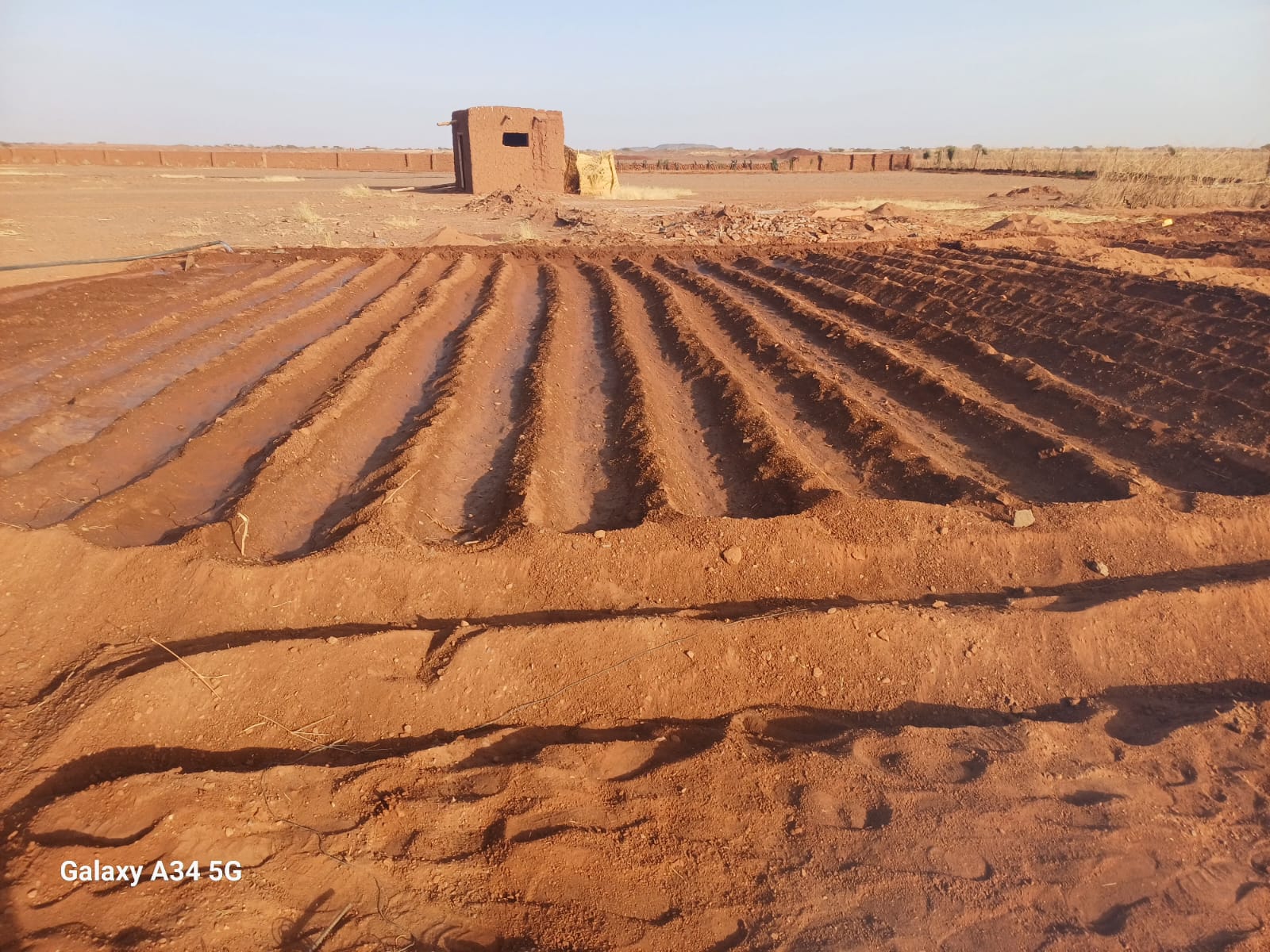
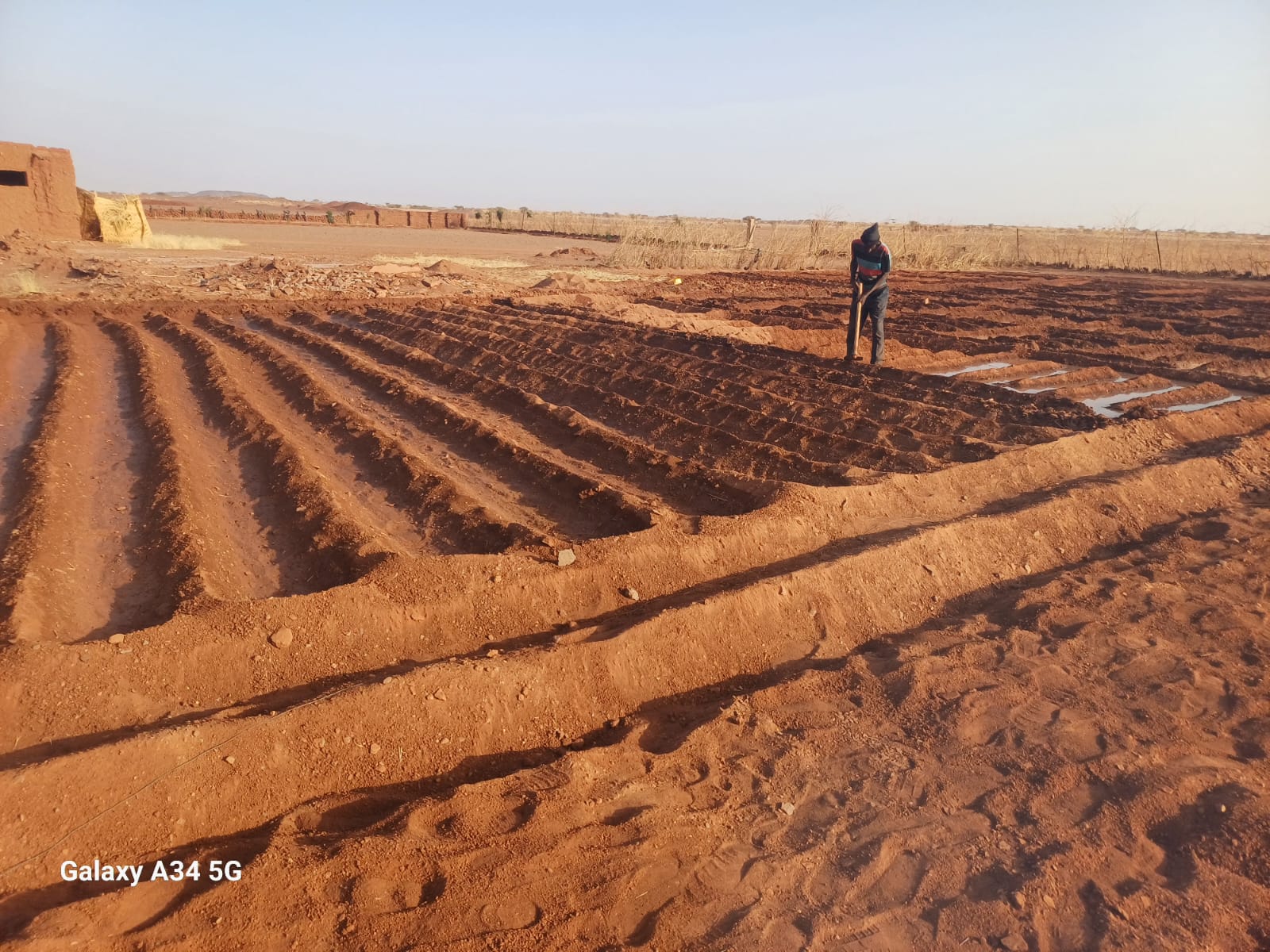
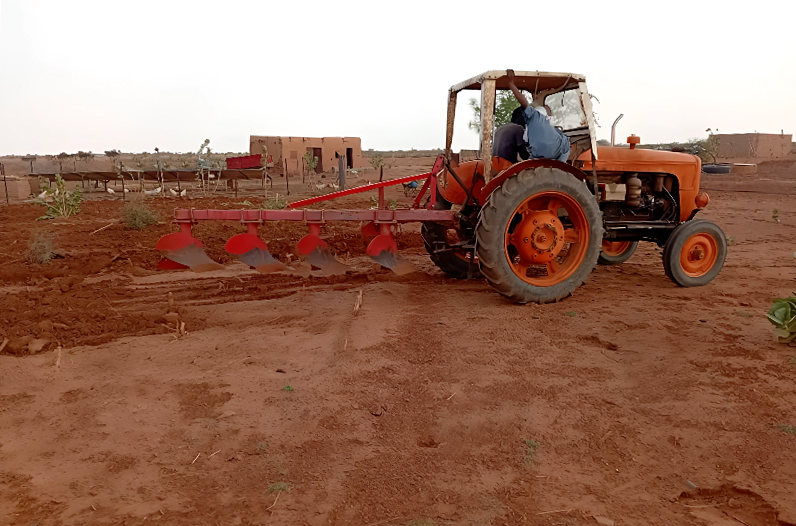
Oggi, quel “vecchietto” è in piena attività: ha già iniziato a dissodare il terreno, preparando un vasto appezzamento di terra che presto ospiterà coltivazioni di cereali. Per una comunità che vive di pastorizia e agricoltura di mera sopravvivenza, è una rivoluzione.

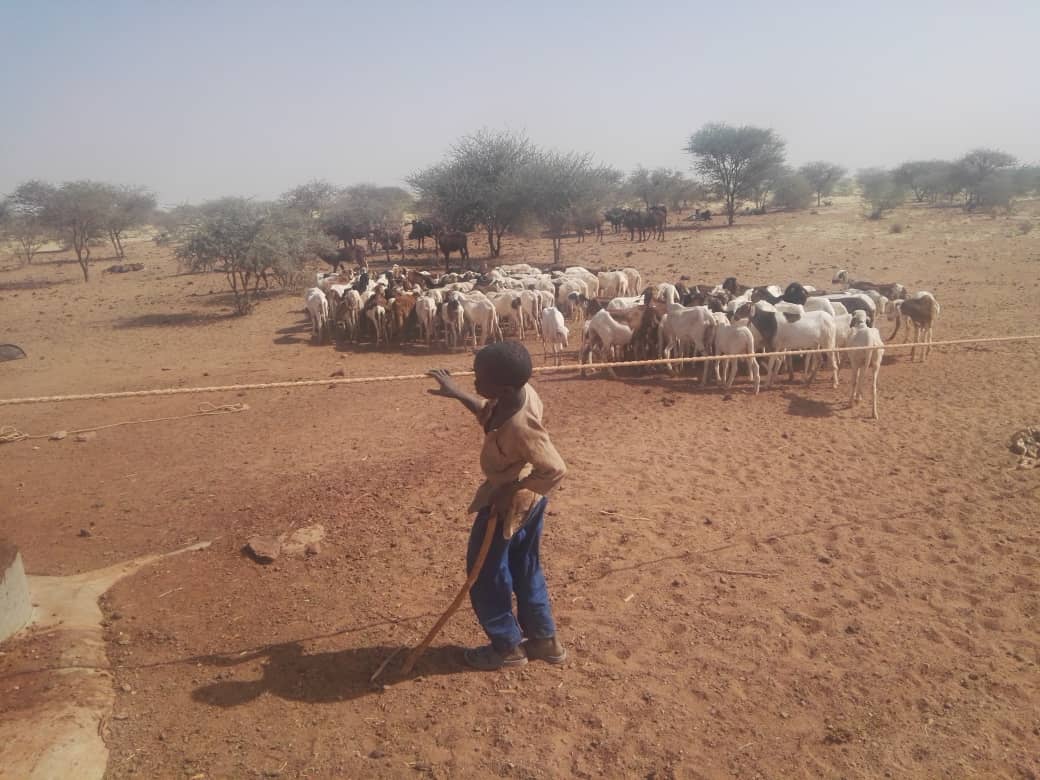
La comunità locale è di etnia tuareg, custodi di una cultura millenaria adattata ai ritmi duri del Sahara. Accanto a loro, grazie alla riattivazione del pozzo, transitano ora frequentemente anche i Peul (o Fulbe), nomadi allevatori con le loro mandrie di mucche dalle grandi corna, alla ricerca di acqua e pascoli.

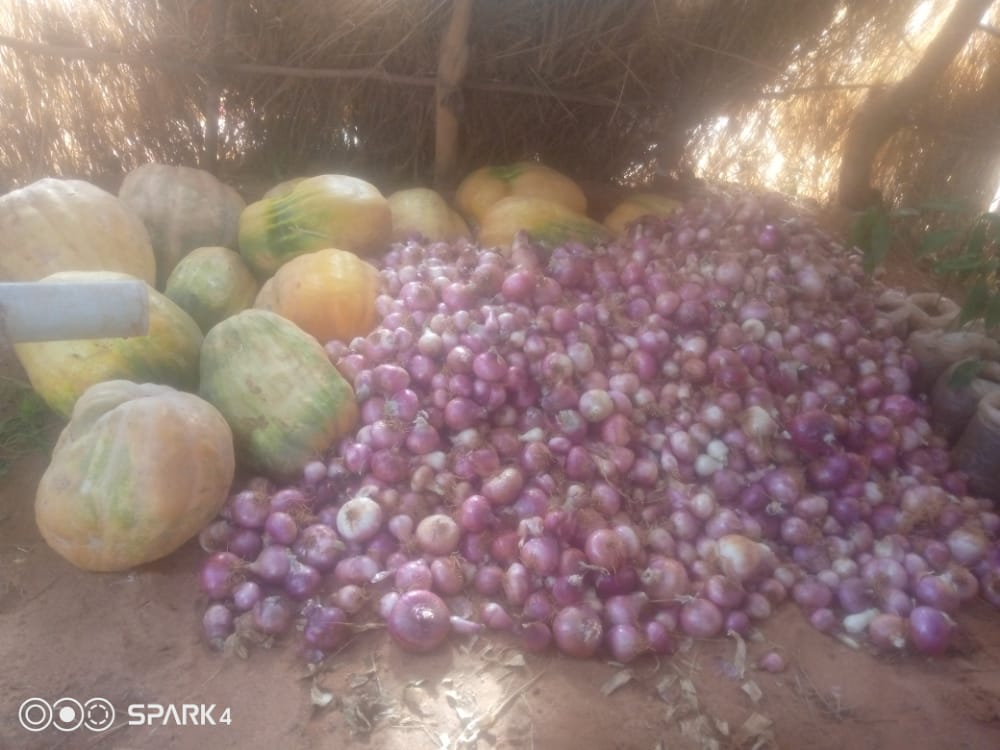
Ma il progetto agricolo non si limiterà solo ai cereali. Una parte del terreno sarà destinata anche alla produzione orticola, e in particolare alle famose cipolline dell’Air, un prodotto tipico della regione nigerina apprezzato in tutto il West Africa per il loro gusto dolce e deciso. Coltivarle ad Acarara significherà non solo garantire una maggiore varietà alimentare, ma anche potenziale reddito per la comunità, attraverso la vendita sui mercati locali.

Questo è uno di quei piccoli grandi progetti che non fanno rumore ma cambiano la vita. È la storia di un trattore del ’66, di un ragazzo che non ha dimenticato il suo villaggio, e di una comunità che, zolla dopo zolla, comincia a seminare speranza.

La strada per far arrivare questo mezzo fin lì, però, è stata tutt’altro che semplice. Dall’Italia è salpato via nave fino al porto di Lomé, in Togo. Da lì è stato caricato su un camion che ha attraversato l’intero Burkina Faso, superando frontiere burocratiche e non poche difficoltà logistiche. Una volta entrato in Niger, il viaggio non era ancora finito: restavano oltre 1.000 chilometri di strada prima di raggiungere Acarara.

Chi conosce questa parte del mondo sa bene cosa significa un viaggio del genere. Si tratta di attraversare territori desertici estremamente difficili, con temperature estreme, scarsità di carburante e lunghi tratti senza alcun tipo di assistenza meccanica. Eppure, ce l’ha fatta.

Oggi, quel “vecchietto” è in piena attività: ha già iniziato a dissodare il terreno, preparando un vasto appezzamento di terra che presto ospiterà coltivazioni di cereali. Per una comunità che vive di pastorizia e agricoltura di mera sopravvivenza, è una rivoluzione.

La comunità locale è di etnia tuareg, custodi di una cultura millenaria adattata ai ritmi duri del Sahara. Accanto a loro, grazie alla riattivazione del pozzo, transitano ora frequentemente anche i Peul (o Fulbe), nomadi allevatori con le loro mandrie di mucche dalle grandi corna, alla ricerca di acqua e pascoli.

Ma il progetto agricolo non si limiterà solo ai cereali. Una parte del terreno sarà destinata anche alla produzione orticola, e in particolare alle famose cipolline dell’Air, un prodotto tipico della regione nigerina apprezzato in tutto il West Africa per il loro gusto dolce e deciso. Coltivarle ad Acarara significherà non solo garantire una maggiore varietà alimentare, ma anche potenziale reddito per la comunità, attraverso la vendita sui mercati locali.

Questo è uno di quei piccoli grandi progetti che non fanno rumore ma cambiano la vita. È la storia di un trattore del ’66, di un uomo che non ha dimenticato il suo popolo e di una comunità che, zolla dopo zolla, comincia a seminare speranza.

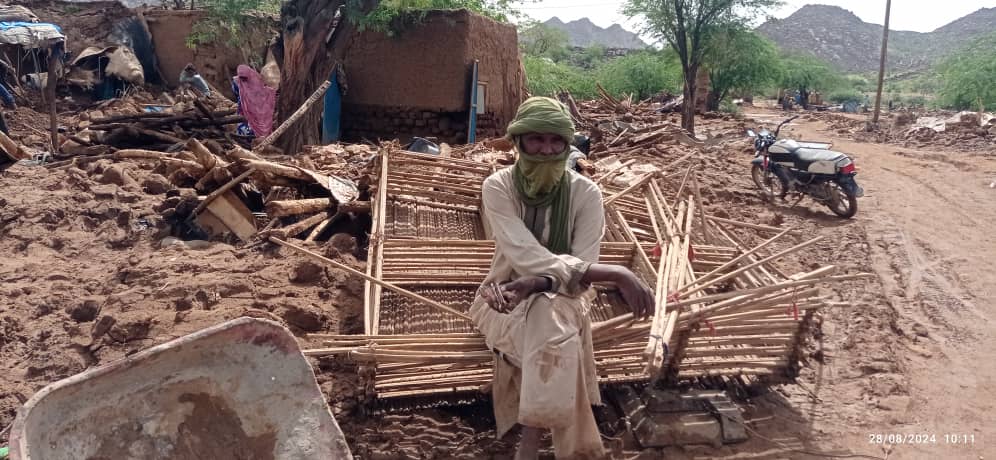
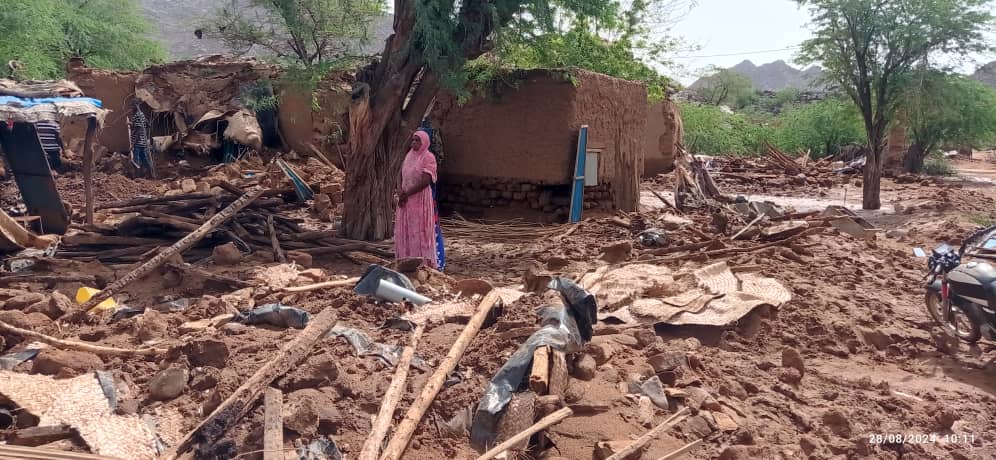
In Niger, da quasi due mesi, gravissime inondazioni causate da forti e incessanti piogge hanno provocato enormi distruzioni. Le persone non ricordano una tale situazione da tantissimi anni, alcuni parlano di 60, dato che i recenti cambiamenti climatici hanno reso ordinario negli ultimi anni la sporadicità, se non l’assenza di acqua, anche durante la stagione delle piogge.

I dati ufficiali parlano di oltre 217 persone morte e più di 700mila colpite, ma si teme che i numeri siano molto, ma molto più elevati.

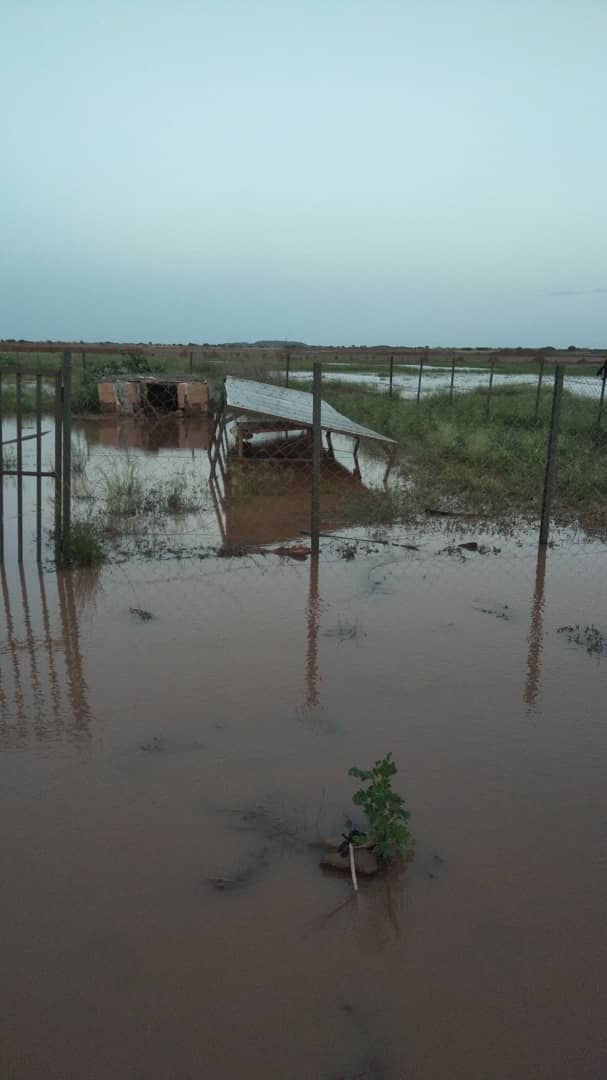
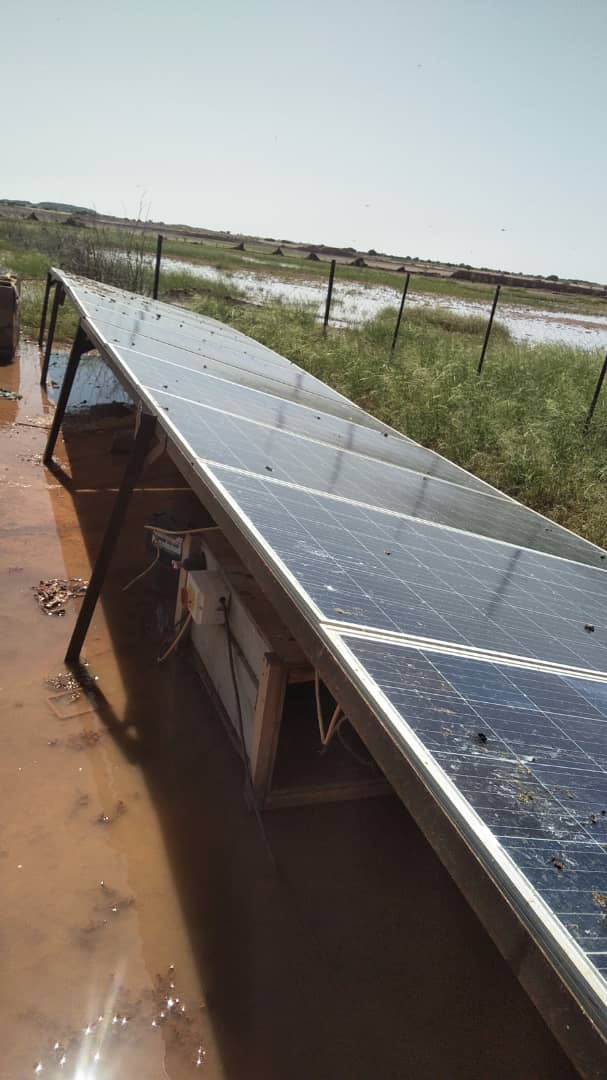
Le inondazioni hanno devastato le infrastrutture, strade, terreni agricoli, bestiame. Anche vicino al pozzo l’acqua occupa tutto il terreno e ha costretto le persone della comunità di Acarara a spostarsi continuamente in zone circostanti in cerca di luoghi sicuri.

Le loro poche bestie sono state perlopiù portate via dalla forza dell’acqua. Le innondazioni sono tali da non consentire loro di raggiungere la vicina località di Tighirwit, anche se si sta tentando di ripristinare la pista, dove c’è un ospedale e mercati, per cui le loro condizioni sono davvero drammatiche.

Ad Acarara, le batterie che alimentano la pompa in funzione anche di notte, sono state sommerse dall’acqua e andranno sostituite il prima possibile.

Anche a Tokokoute, dove c’è l’Ecole des Etoiles, sono rimaste pochissime persone; quando finirà questa situazione torneranno e cercheranno di ricostruire la loro vita tenendo conto di questa esperienza vissuta che renderà necessario immaginare nuove soluzioni per proteggersi da simili eventi futuri.

DAC5 Code CRS Code Code description
3123122031220 – Sviluppo della silvicoltura