

Donations for this project are closed becouse the project is closed or we not accept donations overbudget. You can make a donation to another project or make a general donation with buttom on header for support our organization.
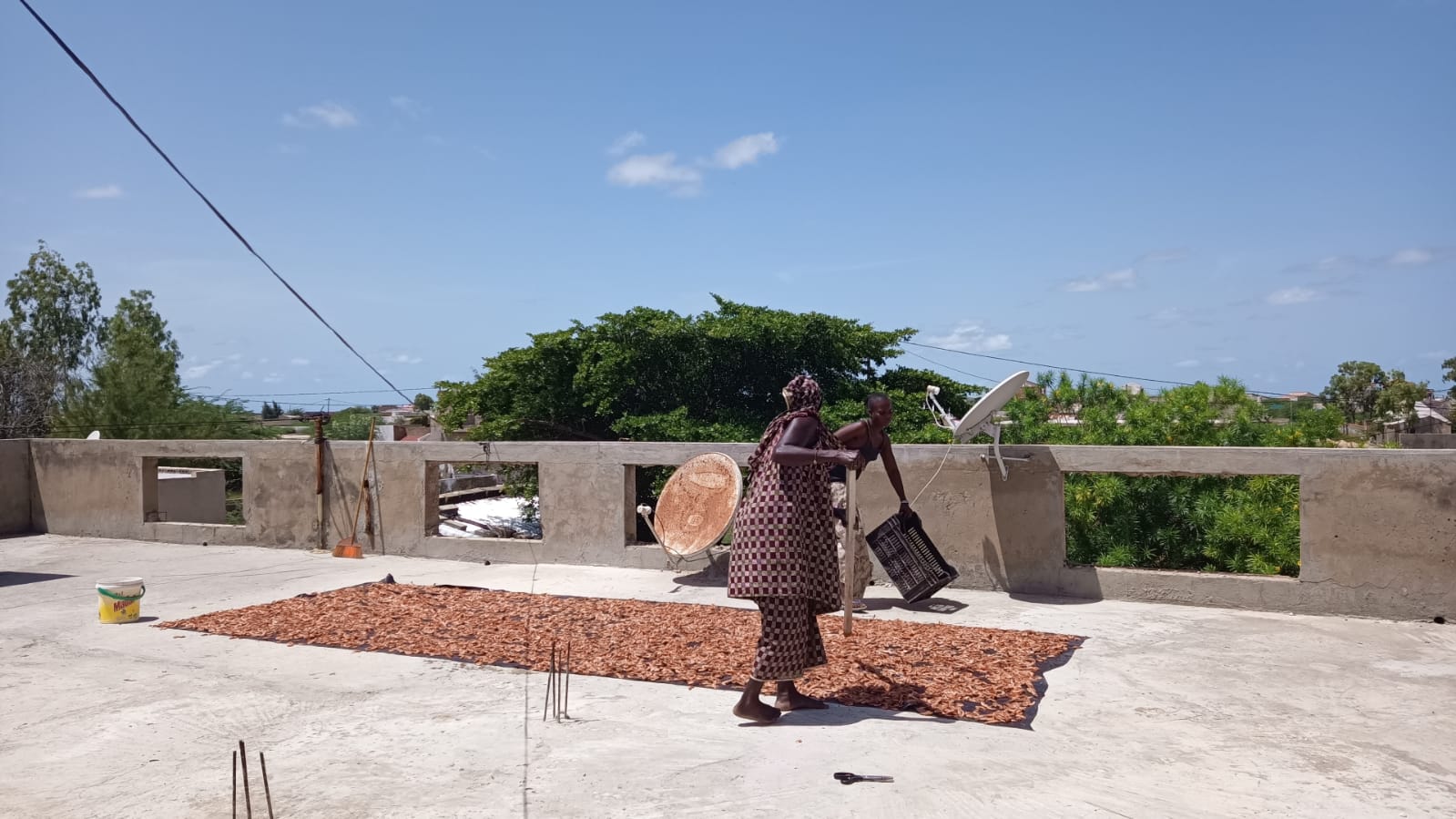
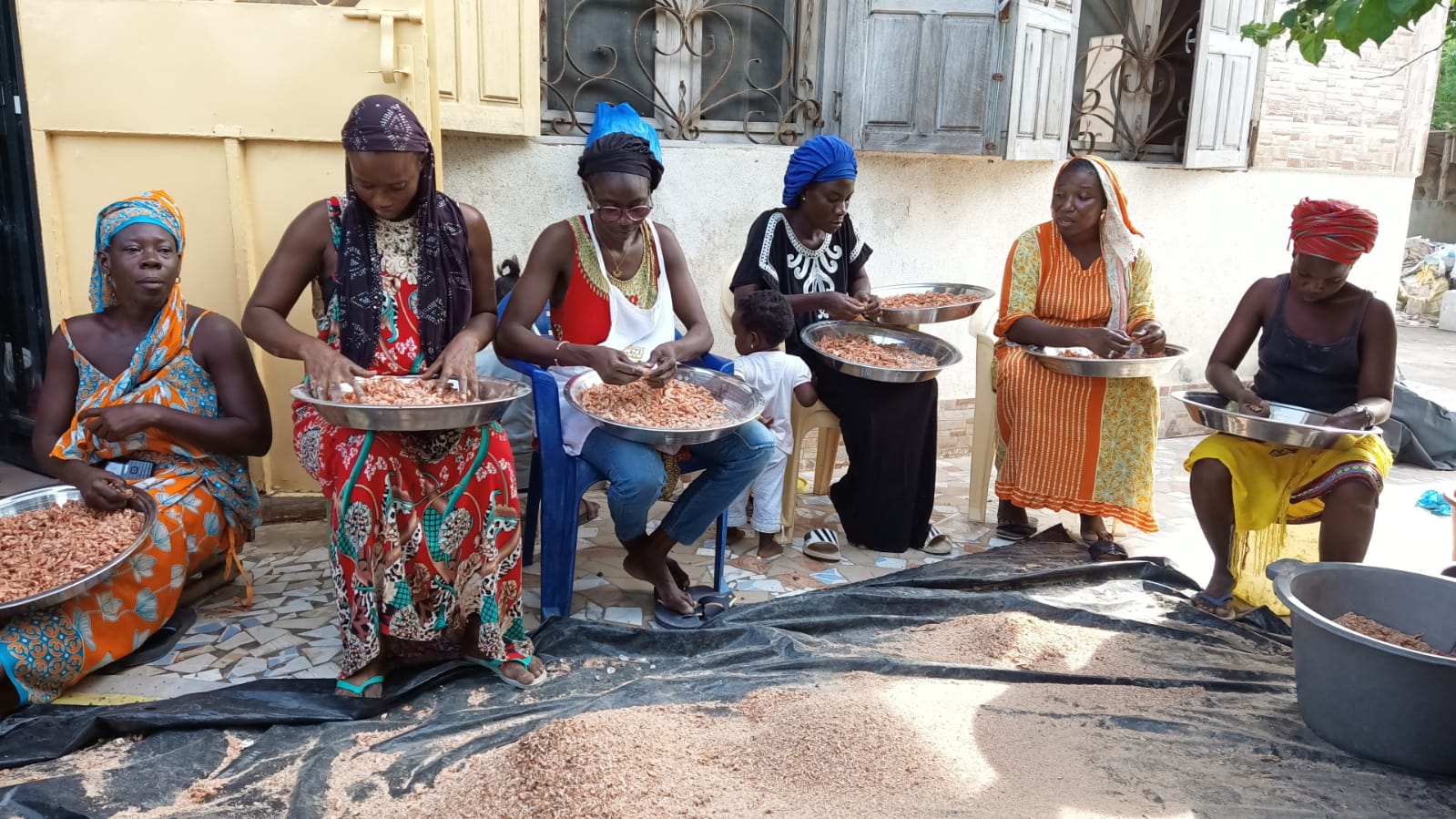
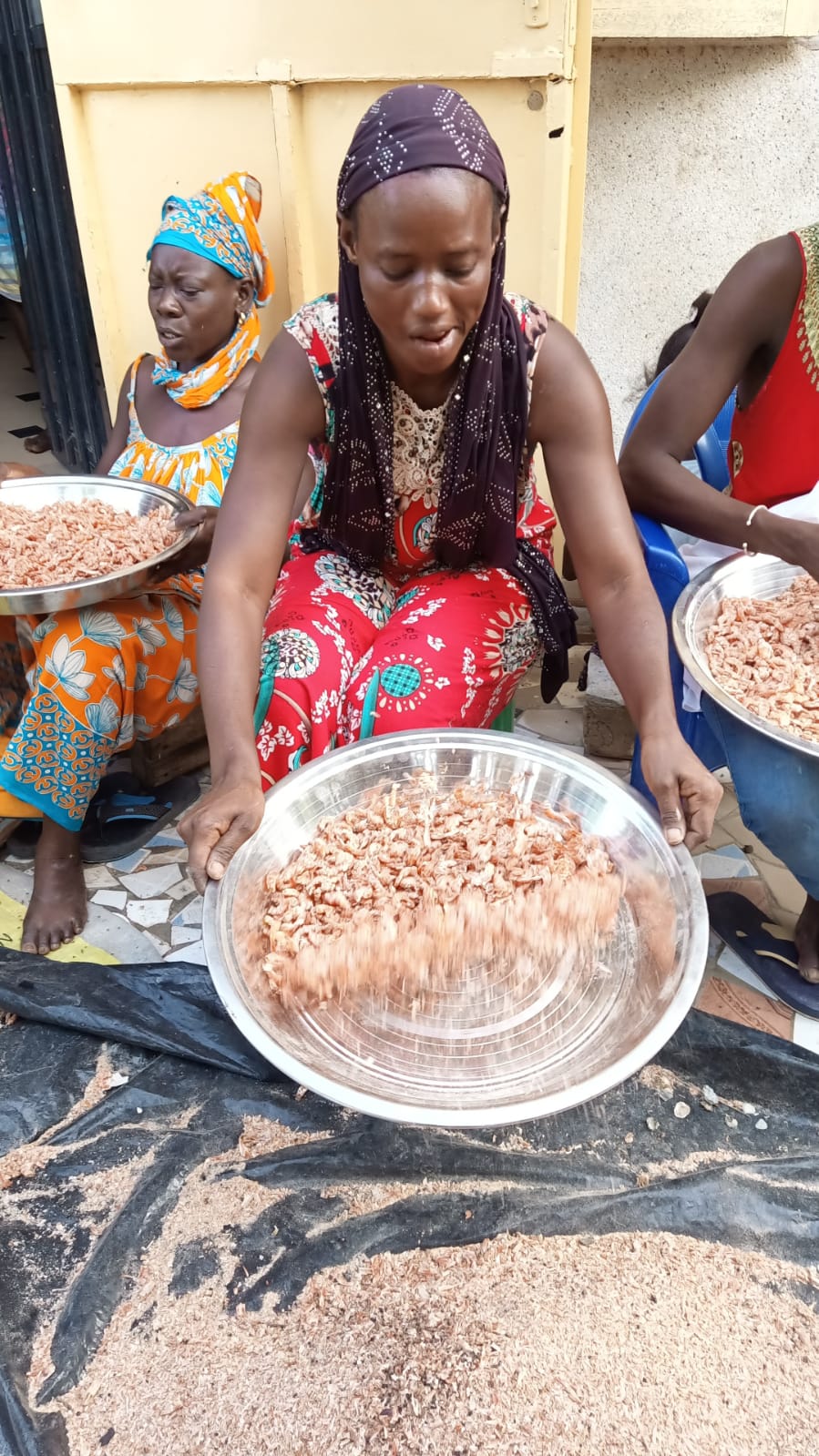
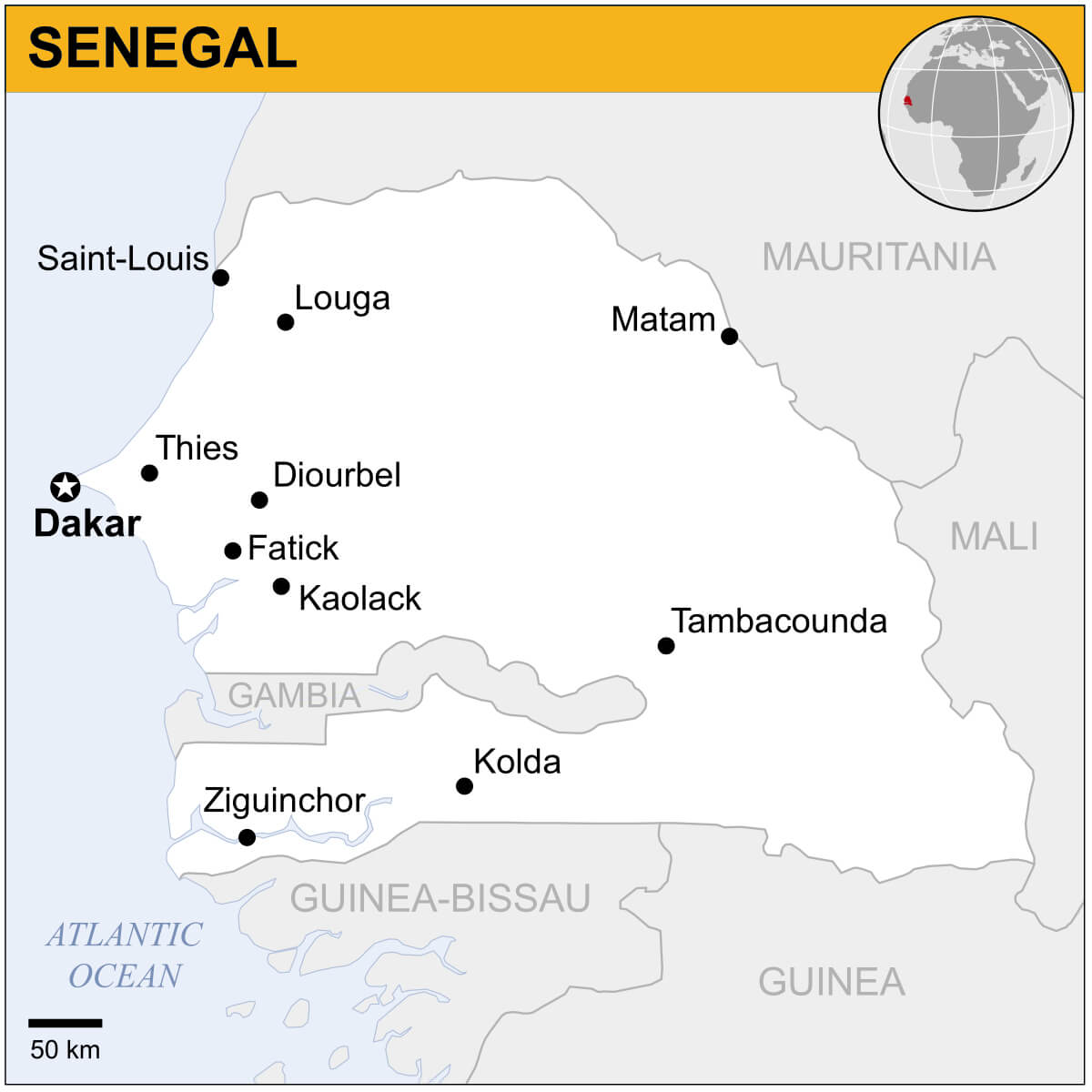
In Foundiougne, in the Fatick Region, a group of 42 women led by Fatou Camara is striving for economic independence through fish trade, supported by the organization Bambini nel Deserto. Every Wednesday, the women plan activities and contribute financially to purchase equipment, such as a freezer to store and sell fish. By buying and reselling shrimp, they aim for secure earnings and to expand their trade. The project includes financial, material, and administrative support to enhance their activity, including micro-credit, training, and technical assistance. Additionally, a storage and drying center for shrimp and oysters is planned. This intervention has not only boosted the local economy and supported female empowerment but also offered an alternative to migration, showing young people the possibility of success in their own country.
Lenders
This project was carried out with the collaboration of these public body lenders or private company lenders
Groupement Uni Maman de la Pêche
Project Programs
Sviluppo economico e formazione professionale
Project Beneficiary
Direct BeneficiariesWomen’s group: The primary beneficiary will be the women’s group consisting of about fifty women, all already engaged in the commercialization and processing of fish products, as well as in community agriculture and poultry farming. The women and the group, in particular, have been identified thanks to existing collaboration with other women's groups in the area, who are involved in a community bio-agriculture and poultry farming project. The various groups of women and men in the area are coordinated by the president of the Mako Liguéye group, who proposed this new intervention to increase the number of beneficiaries (mainly women) in the area, ensuring them stable employment, which symbolizes both emancipation and independence and acts as a catalyst for other women and men to consider local development and success in their own community as an alternative to internal migration to urban areas and illegal international migration. The women will benefit from economic support for implementing the activity and setting up the purchase, drying, and commercialization of shrimp and shellfish, the supply of solar dryers, and the technical and administrative assistance necessary for using the dryers and creating an income-generating activity. About twenty people, both women and men, will participate in technical and administrative training to replicate it for other groups or associations in the area. The women will receive the necessary financial support to start a formal activity, moving out of the informal sector, which, as demonstrated during the Covid-19 pandemic, has shown all its weaknesses and the inability to provide lasting support to families. The project includes the creation of a storage and drying center for the products at the association's headquarters in the Foundiougne district, equipped with a freezer and two solar dryers necessary to dry a larger quantity of products. Later, they will be provided with a vehicle for transporting dried products.
Indirect Beneficiaries Indirect beneficiaries will be about 5,000 residents of Foundiougne. Among them are the families of the direct beneficiaries, starting with the children, who will be able to be supported and regularly enrolled in school thanks to the income from their mothers' work. The project, just like those already underway in the area, will be a community project benefiting the entire rural community in the area. The creation of a common income-generating activity, the training, and the subsequent transfer of acquired skills by the direct beneficiaries will ensure that the entire community benefits. Ensuring lasting employment and stable income will also act as a catalyst for young people who consider migrating to urban areas or illegally to Europe in search of a better future. This is due to increased employment capacity in the fish sector and the initiation of entrepreneurial activities.